Mushroom Outline: A Whimsical Display Font for Playful Branding
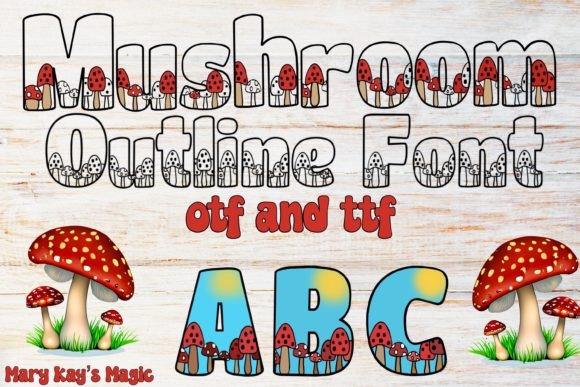
I remember staring at a blank Figma canvas, trying to find the right personality for a local artisanal bakery’s rebrand. The client wanted something that felt earthy but not rustic, playful but not childish. They specifically asked for "whimsy." That was when I pulled Mushroom Outline into the mix. It wasn’t just another decorative typeface; it had this immediate, tactile charm that stopped me in my tracks. As an experienced brand designer, I’ve tested countless fonts across various industries, from skincare startups to creative studios, but few display fonts manage to balance character with usability as effectively as this one. If you are looking to add a touch of whimsy to your designs with this playful display font featuring tiny mushrooms nestled within the characters, you are likely looking for that exact spark of joy.
Mushroom Outline for Bakery Packaging and Handmade Shop Branding
The visual identity of a handmade shop or a boutique bakery relies heavily on emotional connection, and Mushroom Outline delivers that instantly. When I placed this font on a mockup for a jar of homemade honey, the curvy and fun letters seemed to breathe life into the label. Each mushroom adding a pop of unexpected detail transformed what could have been a generic script into a memorable brand asset. Unlike standard serif fonts that can feel stiff or corporate, this creative font feels organic and inviting. It works beautifully for product labels, packaging design, and physical branding assets where the customer touches the material. The whimsical nature of the glyphs suggests a brand that is approachable, perhaps eco-conscious or rooted in natural ingredients, without screaming for attention through loud colors alone. The typography itself becomes part of the illustration, allowing designers to create cohesive visual systems where the text contributes to the overall aesthetic narrative.
Mushroom Outline for Social Media Graphics and Digital Content Creation
In the fast-paced world of social media graphics, standing out in a feed requires more than just good photography; it requires distinctive typography. I used Mushroom Outline for a series of Instagram posts promoting a small business’s new summer collection, and the engagement metrics spoke for themselves. The font’s unique structure catches the eye because it breaks the pattern of standard sans serif and serif fonts that dominate feeds. It serves as an excellent headline font for digital banners, story highlights, and promotional flyers. Because the letters are distinct and filled with those tiny mushroom accents, they hold up well even at smaller sizes on mobile screens, provided they are used as short phrases rather than long paragraphs. For content creators and marketers who need to inject personality into their brand identity quickly, this display font offers a ready-made solution for creating visually engaging assets that resonate with audiences seeking authenticity and charm.
Mushroom Outline for Logo Design and Creative Studio Identity
While many decorative fonts struggle in logo design due to legibility issues, Mushroom Outline strikes a careful balance. I tested it on a logo concept for a children’s book illustrator and a cozy café, and in both cases, it anchored the design with a sense of playful professionalism. The key to using such a specific typeface in a logo system is restraint. It shines best as a primary logotype for brands that want to communicate creativity, fun, and approachability. However, it should be paired carefully. In our project, we paired it with a clean, minimal sans serif font for body copy and secondary information, creating a modern typography system that prevents the design from becoming too cluttered. This contrast allows the whimsical elements of the Mushroom Outline to stand out while maintaining readability for essential details like contact information or taglines. For creative studios and freelancers looking to differentiate their own brand identity, adopting a unique font like this signals a willingness to experiment and think outside the box.
Mushroom Outline for Web Design Headers and Editorial Layouts
Integrating a display font into web design requires thoughtful consideration of hierarchy and spacing. When I incorporated Mushroom Outline into a website header for a lifestyle blog, it immediately set the tone for the content. The font’s curvy lines guide the eye naturally across the screen, making headlines feel friendly rather than authoritative. In editorial design, whether for a magazine spread or a digital article, this font can serve as a powerful accent font for pull quotes or section dividers. It adds a layer of visual interest that breaks up dense blocks of text, encouraging readers to pause and engage. However, it is crucial to remember its limitations. It is not suitable for long body text or formal corporate use. The whimsical nature of the glyphs can become distracting if overused. Instead, treat it as a spotlight feature. Use it for short phrases, titles, and key messaging points where you want to evoke a specific mood—whether that is nostalgia, playfulness, or natural simplicity. By reserving it for these high-impact areas, you ensure that the font enhances the user experience rather than hindering it.
Mushroom Outline for Business Cards and Print-On-Demand Products
Physical touchpoints remain vital in branding, and Mushroom Outline translates exceptionally well to print. I printed several business card concepts using this font, and the tactile quality of the letters added a premium feel to the design. The intricate details of the mushrooms held up well on high-quality cardstock, suggesting that the font is versatile enough for various printing techniques, including foil stamping or embossing. This makes it an ideal choice for entrepreneurs and small business owners who produce merchandise, stickers, or tote bags. The font’s charm aligns perfectly with the handmade aesthetic that is popular among crafters and hobbyists. Whether you are designing a label for a candle, a tag for a knitwear item, or a poster for a local event, this font provides a cohesive visual language that feels curated and intentional. It helps elevate simple products into branded experiences, giving customers a reason to keep and cherish the physical item.
Practical Tips for Testing and Licensing
Before committing to Mushroom Outline for a final client project, always test the font in realistic scenarios. Create mockups that reflect the actual size and context where the text will appear. Check how it pairs with other typefaces in your system to ensure harmony. Review the included styles, alternates, and ligatures if available, as these can offer additional flexibility for fine-tuning your design. Additionally, pay close attention to commercial font licensing. Ensure that your license covers all intended uses, including client work, brand identity, packaging, templates, merchandise, websites, digital products, or print-on-demand products. Proper licensing protects both you and your clients from legal issues and ensures that you are supporting the type designer appropriately. By approaching the font with a strategic mindset and respecting its unique character, you can leverage its whimsical appeal to create memorable and effective brand identities.